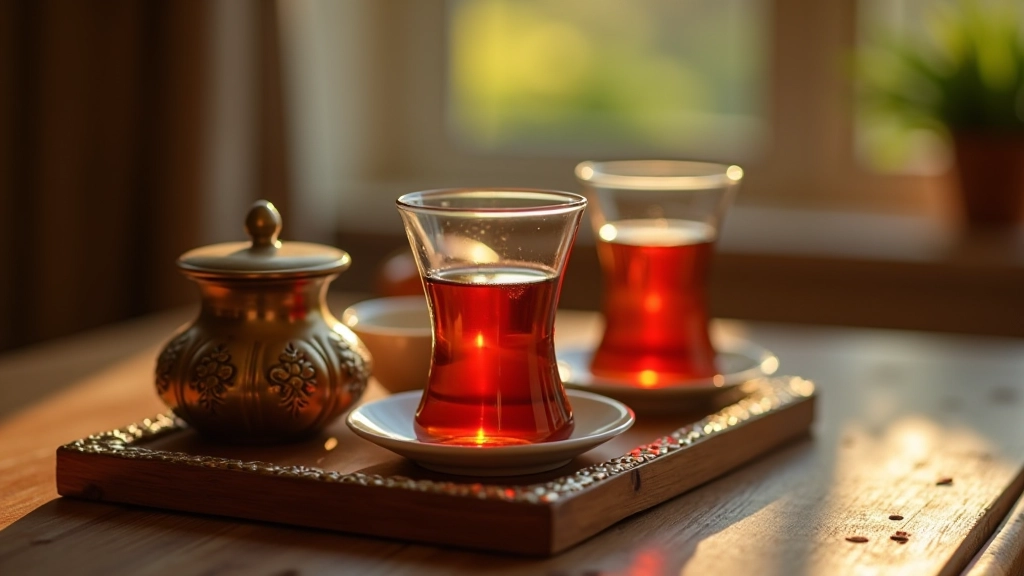
Understanding Turkish Tea Ceremony Rituals
Learn the traditions and proper techniques behind Turkish tea service. Covers the ritual, equipment, and how to serve guests properly.
Practical tips for hosting memorable game nights. Learn how to set up your space, choose the right games, manage pacing, and make sure everyone has fun regardless of skill level.
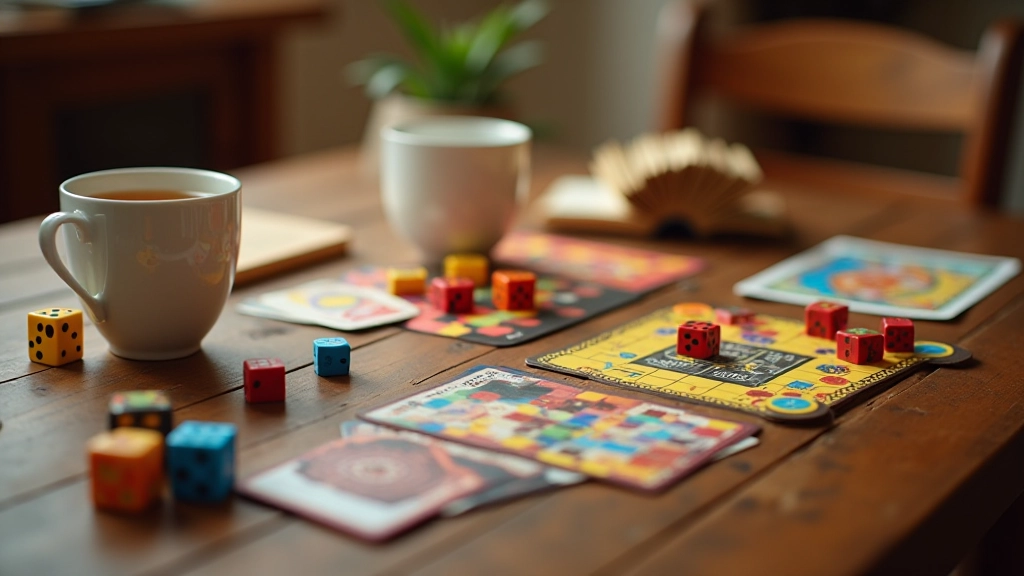
There's something special about gathering around a table with people you care about. Board games aren't just entertainment — they're a way to slow down, disconnect from screens, and actually talk to each other. Whether you're hosting friends, family, or neighbors, a well-organized game evening creates memories that last way longer than the game itself.
The difference between a good game night and a great one? Planning. We're not talking complicated logistics — just thoughtful choices about space, game selection, and flow. When you get these fundamentals right, everyone relaxes, laughs more, and actually wants to come back.
Works for 2 players or 8 players. Games bring people together naturally.
Quick 20-minute games or epic 3-hour sessions. You control the pace.
Games exist for everyone. Don't worry about experience — match the game to your group.
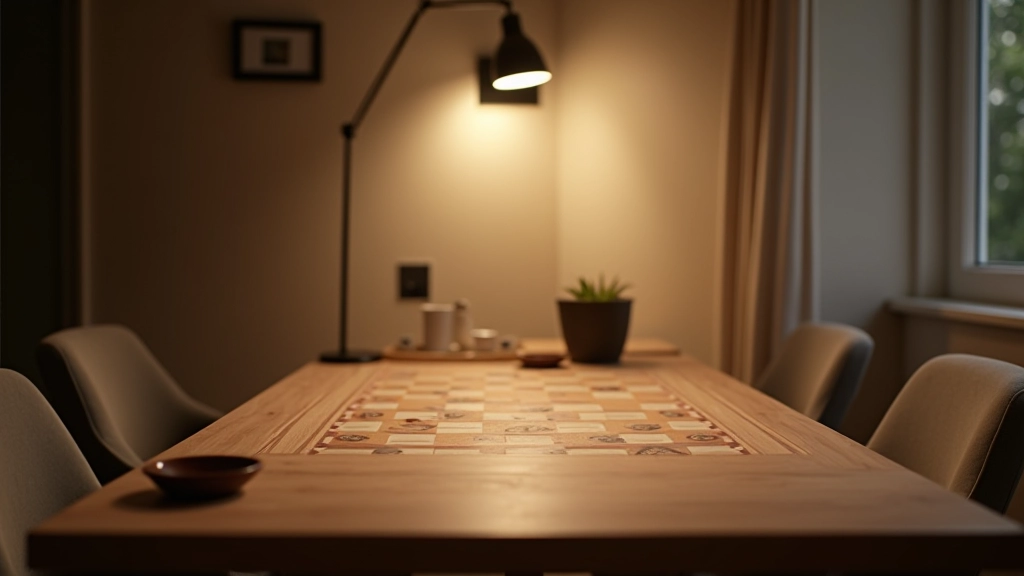
Your physical space makes a bigger difference than you'd think. It's not about having a fancy game room — it's about creating an environment where people can focus on the game and each other. Start by clearing your main table completely. You'll need roughly 24 inches per person for comfortable gameplay, plus space for the game box, cards, and tokens in the center.
Remove clutter, phones, and anything that'll distract players. A clean table signals that game time is special.
Bright enough to read cards easily, but not harsh. Overhead lights plus a table lamp work perfectly.
Chairs that support you for 30-90 minutes. Your back will thank you, and people stay longer when they're comfortable.
The biggest mistake people make? Picking games nobody actually wants to play. Match your selection to your group's vibe. Are you hosting competitive folks or people who just want to relax and chat? Do you want something that moves fast or builds tension gradually?
Great for larger groups, lots of laughing, minimal setup. Games like Codenames or Ticket to Ride work perfectly.
For players who enjoy thinking ahead. Catan, 7 Wonders, or Splendor create engaging gameplay without feeling heavy.
Everyone plays together against the game. Pandemic or Forbidden Island build camaraderie and reduce competitive tension.
Pro tip: Pick one game you know well as your main event, then have a backup light game ready. If energy drops, you can switch without awkward pauses.
Pacing determines whether your evening feels relaxed or rushed. Start with a warm-up game — something quick and familiar that gets people laughing. This takes about 15-20 minutes and settles any initial awkwardness. Then move into your main event. Don't try to play three games back-to-back unless everyone's clearly having a blast and wants to keep going.
Pay attention to energy levels. If someone looks frustrated or bored, you don't need to push through. It's totally fine to say "Want to switch to something lighter?" Flexibility keeps the evening fun. Most people remember how they felt at the end, so finish on a high note — that last game should leave everyone smiling.
Light game to warm up. Laughs, no stakes, everyone relaxed.
Main game. This is your centerpiece. Let it breathe.
Quick game or wind-down. Leaves everyone happy.
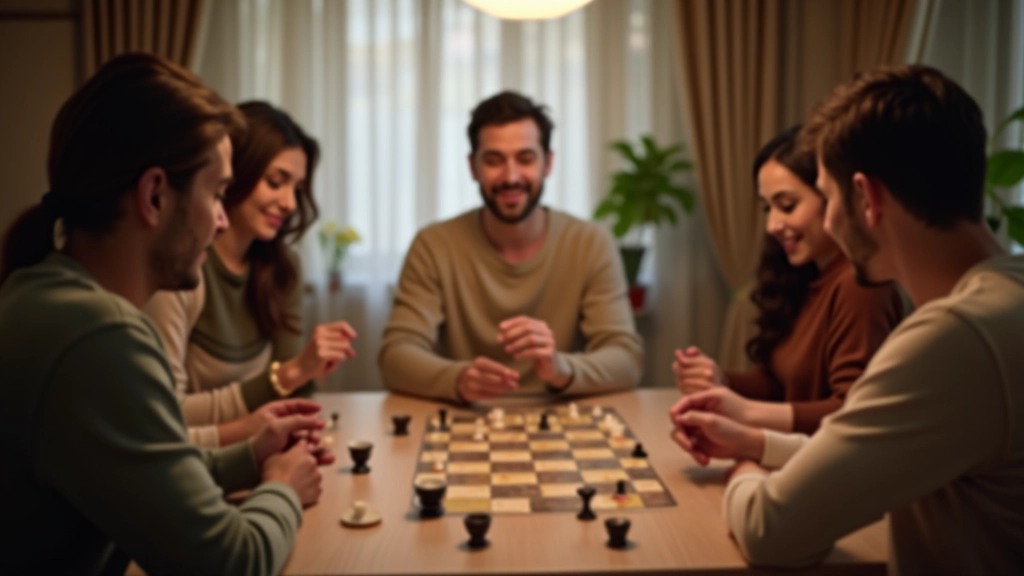
Finger foods and water on the side table, not near the game board. Nuts, cheese, or fresh fruit work great. Avoid sticky snacks — nobody wants greasy game pieces.
Silent phones, TV off, pets settled in another room. When people aren't distracted, they actually engage with the game and each other.
Read the rules before guests arrive. You don't need to be perfect, but explaining quickly keeps momentum. Have the rulebook handy for questions.
Mention the game type when you invite people. "Casual party game" vs "strategic game that takes an hour" helps them prepare mentally.

The best game evenings don't follow a strict formula — they reflect what your group enjoys. Start with these fundamentals: clear your space, pick games that fit your crowd, manage the pacing thoughtfully, and focus on creating an environment where people actually want to be present. Everything else builds from there.
You don't need fancy decorations or expensive games. Honestly, some of the most memorable nights happen around a simple table with a $20 game and people who are genuinely happy to be there. Once you host a couple of evenings, you'll figure out what works for your friends and family. Then you'll keep doing it.
Start simple. Pick one game you're curious about, invite people you enjoy, and see what happens. The rest follows naturally.
This article provides general guidance for organizing board game evenings at home. Suggestions are based on common hosting practices and social engagement principles. Individual circumstances vary — adapt these recommendations to fit your specific situation, group dynamics, and available space. The goal is creating an enjoyable experience tailored to your guests and preferences.