
More Than Just a Beverage
Turkish tea isn't simply a drink you grab in the morning. It's a ritual woven into daily life—a moment to pause, connect, and honor tradition. Whether you're sharing it with family or welcoming guests, understanding the proper way to prepare and serve tea shows respect for this cherished custom.
The beauty of Turkish tea culture lies in its simplicity. You don't need fancy equipment or complicated steps. What matters is intention, technique, and understanding why each step exists. Once you learn the fundamentals, you'll find yourself naturally falling into this timeless practice.
Selecting the Right Tea
Turkish tea comes from the Black Sea region, primarily from Rize, where the climate and soil create the perfect conditions for growing strong, flavorful leaves. The most common choice is black tea—specifically a medium to full-bodied variety that can handle the traditional brewing method.
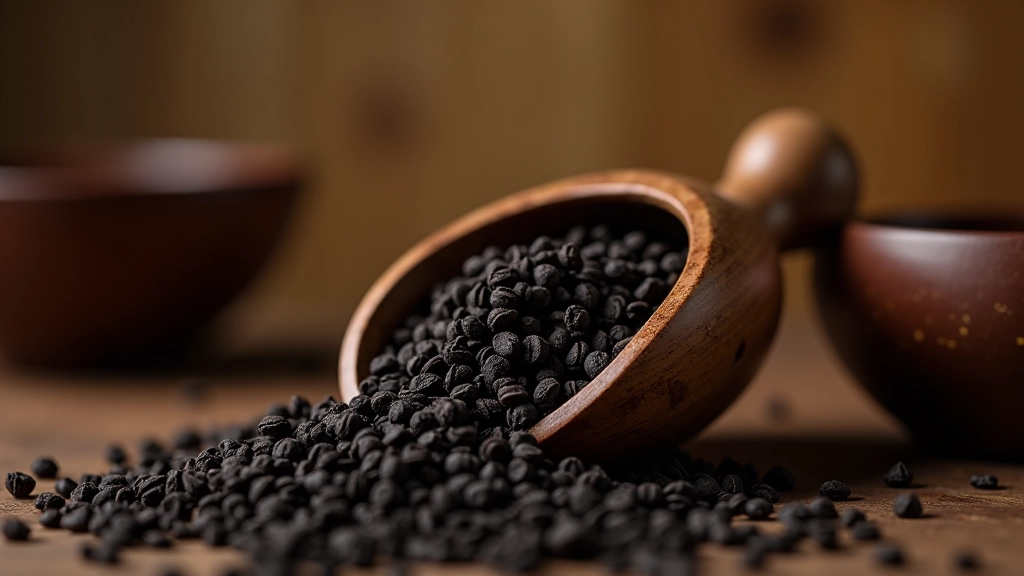
When shopping, you'll notice Turkish tea is finely cut, almost powder-like in texture. This isn't a sign of poor quality—it's intentional. The small leaf size allows for faster steeping and a bolder flavor. You're looking for loose-leaf tea, never bags. The color should be dark brown or black, and the aroma should be robust without mustiness.
Most households buy tea in bulk from local shops or markets. A standard bag lasts several weeks for a regular tea drinker. Store it in an airtight container away from light and strong odors—tea absorbs flavors from its surroundings.
The Essential Equipment
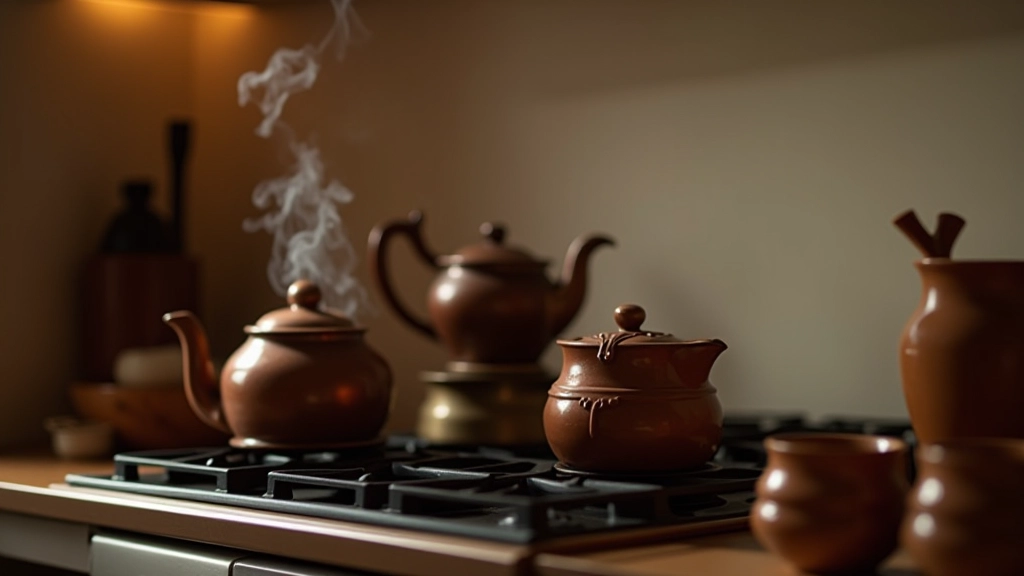
The heart of Turkish tea preparation is the çaydanlık—a double kettle with a distinctive design. The lower kettle heats water, while the upper kettle sits on top and holds the concentrated tea. This stacking method is key to getting the right strength and temperature balance.
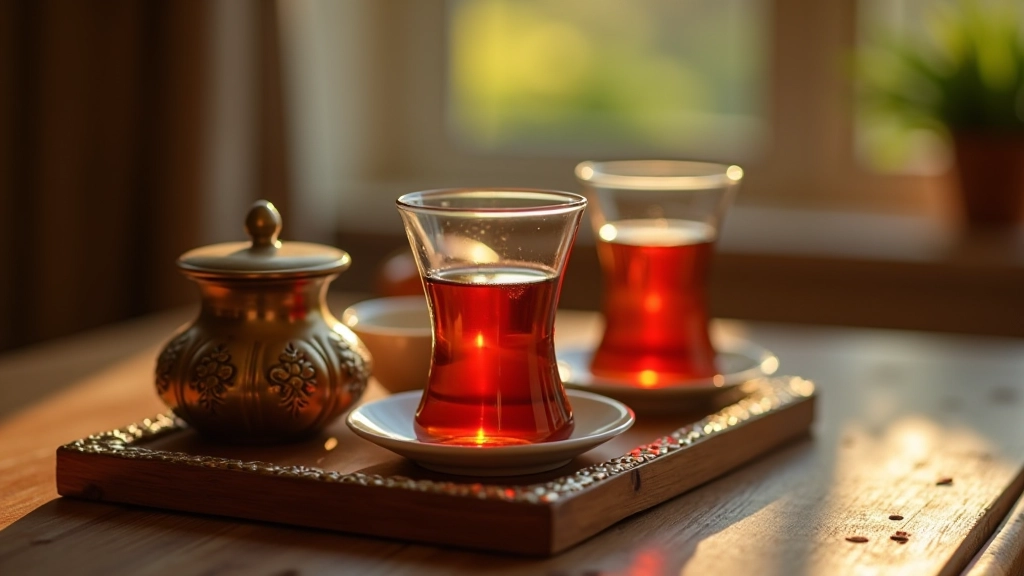
You'll also need small tulip-shaped tea glasses called çay bardağı. These aren't just aesthetic—their narrow top and wider bottom keep your fingers from burning while allowing the tea to cool gradually. Traditional glass holders made from brass or silver complete the setup, though they're optional.
A simple tea strainer and small spoon round out the basics. You don't need anything expensive or complicated. A basic çaydanlık costs just a few dollars and lasts for years. Many families use the same kettles their grandmothers used.
The Brewing Process
Fill and Heat
Fill the bottom kettle with fresh water and bring it to a boil over medium-high heat. While waiting, add tea leaves to the upper kettle—roughly one heaping teaspoon per person, plus one extra for the pot.
Create Concentration
Once the lower kettle boils, pour about a quarter of the hot water into the upper kettle with the tea leaves. Place the upper kettle on top of the lower one and reduce heat to medium-low. The remaining water keeps heating while the tea steeps for 3-4 minutes.
Combine and Serve
Pour the concentrated tea into your glasses, filling each about one-third to halfway. Top it off with the hot water from the lower kettle. This creates the perfect balance—strong flavor without being bitter. Adjust the ratio to your preference. Some people like it stronger, some lighter.
The Cultural Significance
Tea plays a central role in Turkish hospitality. When someone visits—whether announced or unexpected—the first gesture is offering tea. It's not just about the beverage. It's a signal that you're welcome, that your presence matters, that we're taking time together.
In workplaces, schools, and neighborhood cafes, tea punctuates the day. Morning starts with tea. Afternoon breaks include tea. Evening conversations flow around glasses of tea. It's woven so deeply into the fabric that declining tea is almost like declining friendship.
The ritual also teaches patience. You can't rush tea. The waiting, the watching, the gradual warming of the glass in your hands—these moments slow you down. In a world that moves constantly, this daily practice anchors you to something real and present.

Practical Tips for Perfect Tea
Water Temperature Matters
Use freshly boiled water. Reheated water or water that's been sitting loses oxygen and affects flavor. The initial boil is what creates the ideal temperature for extracting the tea's full character.
Don't Oversleep
Three to four minutes is the sweet spot. Longer steeping doesn't make it stronger—it makes it bitter. The concentrated method means you're getting full flavor in that short window.
The Right Glasses
Tulip-shaped glasses aren't just traditional—they're functional. The shape keeps heat concentrated at the top while protecting your fingers. Plus, you can see the tea's color clearly, which is part of the experience.
Keep It Hot
Turkish tea is meant to be sipped hot. If you're serving multiple people, keep the kettles on low heat so the water stays hot for refills. Many homes keep a kettle warming all day.
Starting Your Tea Practice
You don't need to be Turkish to appreciate tea ceremony. What you're really doing is creating a moment of intention in your day. The technique is straightforward—good tea, hot water, proper equipment, patience. But the deeper practice is about slowing down and being present.
Start simple. Get a basic çaydanlık, some good Turkish tea, and a couple of glasses. Brew your first pot and notice what happens—how the aroma fills the room, how the warmth feels in your hands, how a few minutes of tea-drinking can shift your whole afternoon. Once you experience that, you'll understand why this ritual has endured for centuries.
Disclaimer: This article is for educational purposes and provides general information about Turkish tea traditions and preparation methods. Individual preferences for tea strength, water temperature, and brewing time may vary. If you have specific health concerns related to caffeine consumption or any dietary restrictions, please consult with a healthcare professional. The information presented reflects common practices in Turkish culture but may differ slightly by region or household tradition.