
Designing Your Perfect Reading Nook
Create a cozy, inviting space where you'll actually want to spend time with a book. We'll walk you through furniture, lighting, and the small touches that make all the difference.
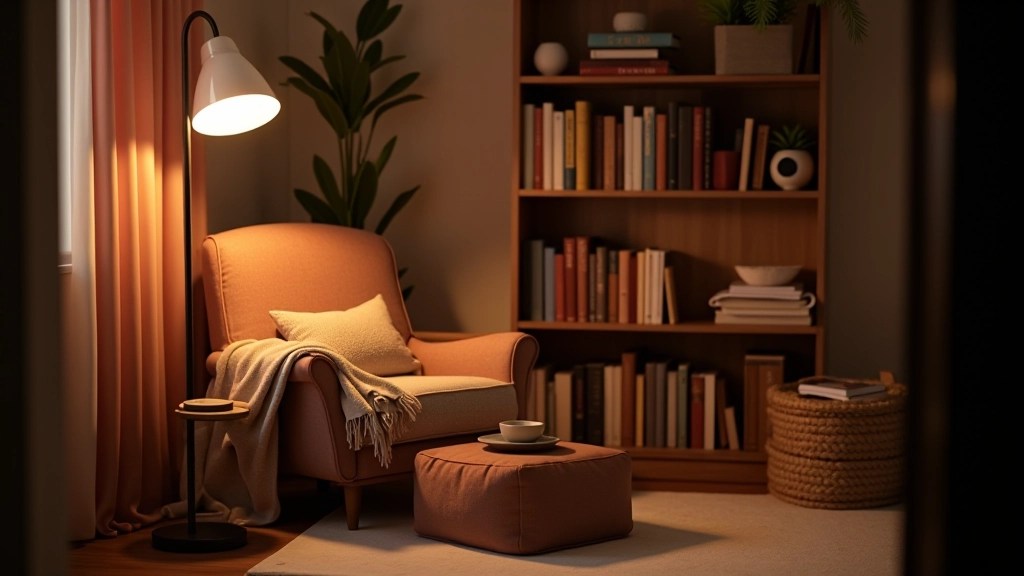
A reading nook isn't just furniture in a corner. It's a retreat — a place where you're comfortable enough to disappear into a story for hours. We're talking soft lighting that doesn't strain your eyes, seating that actually supports your back, and zero distractions.
The good news? You don't need a huge space or a massive budget. We've seen amazing nooks in studio apartments, spare closets, and under staircases. What matters is intentionality. You'll learn what to prioritize, where to save money, and which details actually make a difference.
Start With the Right Seat
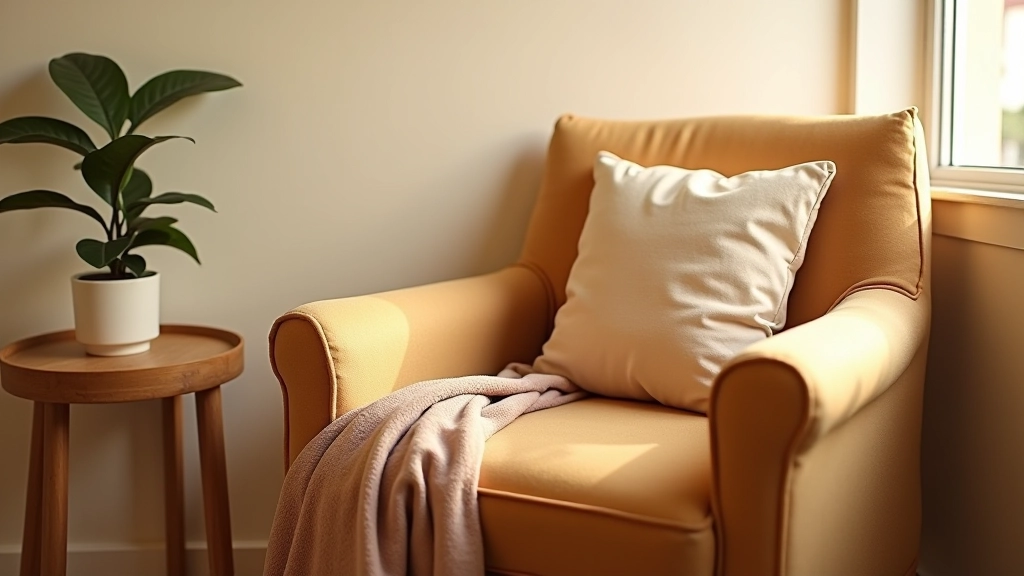
Your chair is everything. You'll be spending hours in it, so don't skimp here. Look for something with decent back support — you're not trying to be cool, you're trying to avoid neck pain at page 200.
An armchair works beautifully. A good wingback gives you that enclosed, cozy feeling. A recliner is fine if you like reclining. Even a sturdy desk chair with a cushion can work if that's what fits your space. The real test? Sit in it for 30 minutes. Does your back hurt? Does your neck feel strained? If yes, keep looking.
Consider the width too. You'll want to tuck your legs up sometimes — most people do. A narrow chair means you're cramped. Wider is almost always better for reading comfort. And fabric matters. Cotton blends breathe. Leather gets hot. Velvet feels amazing but shows every dust particle.
Lighting Is Non-Negotiable
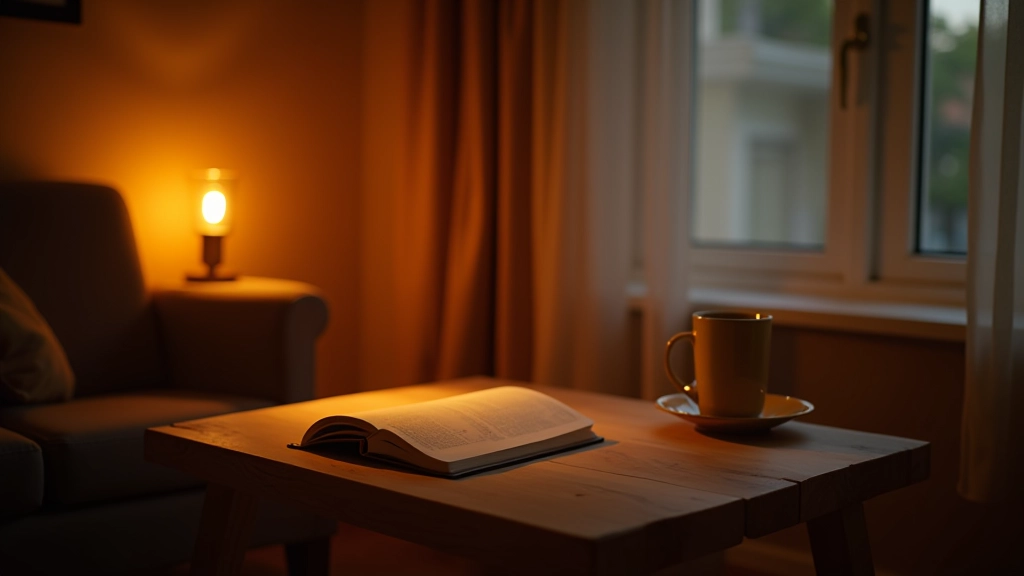
Bad lighting kills reading. Your eyes get tired, you get headaches, and suddenly reading feels like work. You need three layers: natural light during the day, task lighting for reading, and ambient light for the evenings.
Natural light is free and beautiful. Position your nook near a window if possible. Morning light is gentler than harsh afternoon sun, so a north-facing window is ideal. If you can't do that, sheer curtains diffuse bright light without blocking it.
For reading light, you want something warm — around 2700K color temperature. That's that golden-yellow tone, not cool white. A small table lamp or swing-arm wall lamp positioned to the side of your chair works perfectly. The light should hit the page without creating glare or shadows across your lap.
Ambient light? A small floor lamp or even string lights create atmosphere without being too bright. You're reading a book, not doing surgery. The goal is warm, gentle, enough to see but not so much that it's harsh.
Small Storage, Big Impact
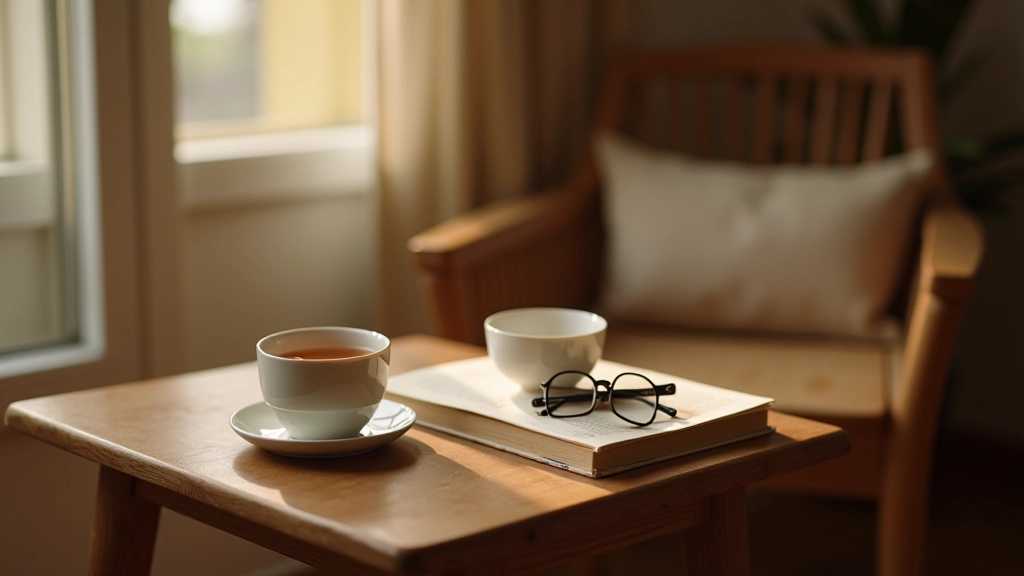
You'll need somewhere for your current book, your next three books, and the tea you're definitely going to have nearby. A small side table is essential — about 18-24 inches high, nothing fancy. Wood works, metal works, even a sturdy stool works.
A floating shelf or two above your chair holds books beautifully without taking up floor space. Keep it to your immediate favorites — the ones you're actually reading. If you've got a wall behind your nook, a small bookcase can work, but don't overcrowd it. Open shelves look cluttered when they're packed. Better to have 8 books displayed nicely than 30 shoved in.
Storage baskets underneath or beside your chair hide blankets, bookmarks, and that pile of literary magazines you keep meaning to read. Woven baskets in natural materials look warm and intentional. Plastic bins work but look institutional.
The Layers That Make It Special
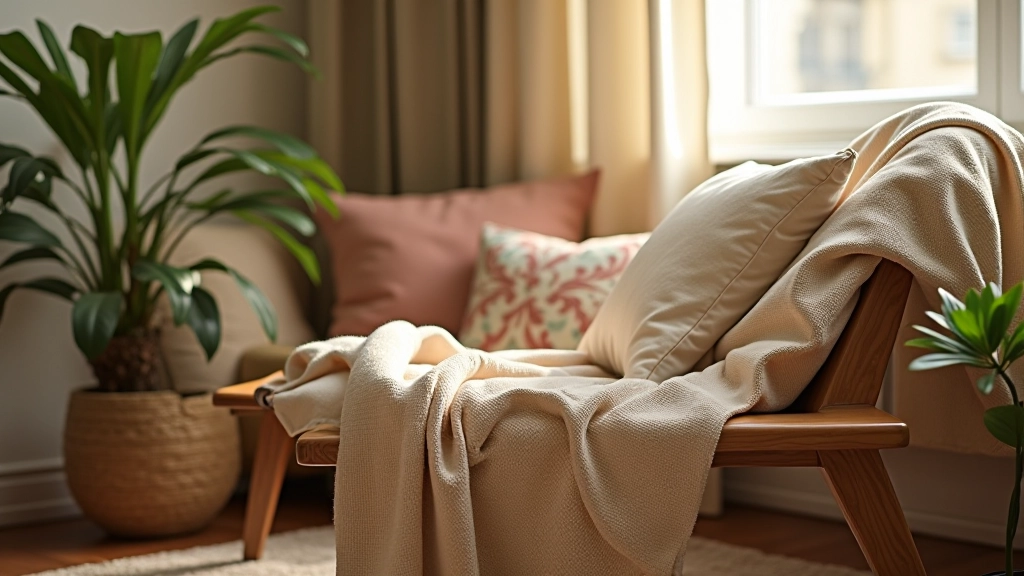
This is where your nook stops being a chair and becomes a sanctuary. Soft textures matter. A throw blanket — not for temperature control necessarily, but for that feeling of being wrapped up. Linen, cotton, or a light wool. Nothing synthetic that makes you sweat.
Cushions are your friend. One behind your back for support, maybe one for your feet or lap. They don't have to match your chair. Actually, they probably shouldn't. Mix textures and tones. A chunky knit pillow next to a smooth linen one creates visual interest without looking chaotic.
A small plant brings life to the space. Not a high-maintenance orchid — something forgiving like a pothos or snake plant. It's green, it's alive, and it makes the space feel less like a furniture arrangement and more like a real room.
Scent matters too, though it's subtle. A lit candle while you read — vanilla, cedar, or just plain unscented. It's psychological but it works. You're creating an experience, not just a reading spot.
Make It Yours
There's no formula that works for everyone. Your perfect nook reflects what you actually enjoy. If you like silence, maybe you're tucking into a corner far from the main living area. If you like being around people but not interacting, maybe your nook is in a living room where you can see activity but aren't part of it.
Start with the fundamentals — good seating, proper lighting, minimal distractions. Then add the personal touches. A favorite print on the wall. The specific tea you always drink. That one blanket that's somehow the perfect weight. These aren't luxuries. They're what transform a reading nook from functional to genuinely inviting.
Your nook should make you want to read. If you find yourself gravitating to it, if you're reaching for books instead of scrolling your phone, you've built something right.

Disclaimer
This article provides educational information about creating a reading nook for personal relaxation and enjoyment. The suggestions and recommendations are based on general design principles and personal preferences. Individual circumstances, spaces, budgets, and comfort needs vary significantly. What works beautifully in one home may not suit another. We encourage you to adapt these guidelines to your specific situation, test comfort before purchasing furniture, and consult with an interior designer if you're working with a challenging space. This content is informational and not a professional design consultation.