
Getting Started With Home Meditation
Learn the fundamentals of meditation practice. We'll cover posture, breathing, focus, and how to build a sustainable routine that fits your life.
Why Start Meditating at Home?
There's something special about creating a meditation practice in your own space. You're not rushing between appointments, you're not in a crowded studio, and you don't need expensive equipment. It's just you, your breath, and some quiet time.
The truth is, meditation doesn't require anything fancy. You don't need special clothing, incense, or a perfectly decorated room. What you need is consistency, a bit of patience with yourself, and understanding that it's completely normal for your mind to wander at first.
Most people see changes within 2-3 weeks of regular practice. You'll notice you're calmer during the day, you sleep better, and stressful situations don't rattle you as much. But those benefits come from showing up regularly, not from perfect technique.
Reduces Stress
Regular practice lowers cortisol levels and calms your nervous system naturally.
Improves Sleep
Evening meditation helps you fall asleep faster and wake up feeling more rested.
Sharpens Focus
Training your attention through meditation makes concentration easier in daily life.
Getting Your Posture Right
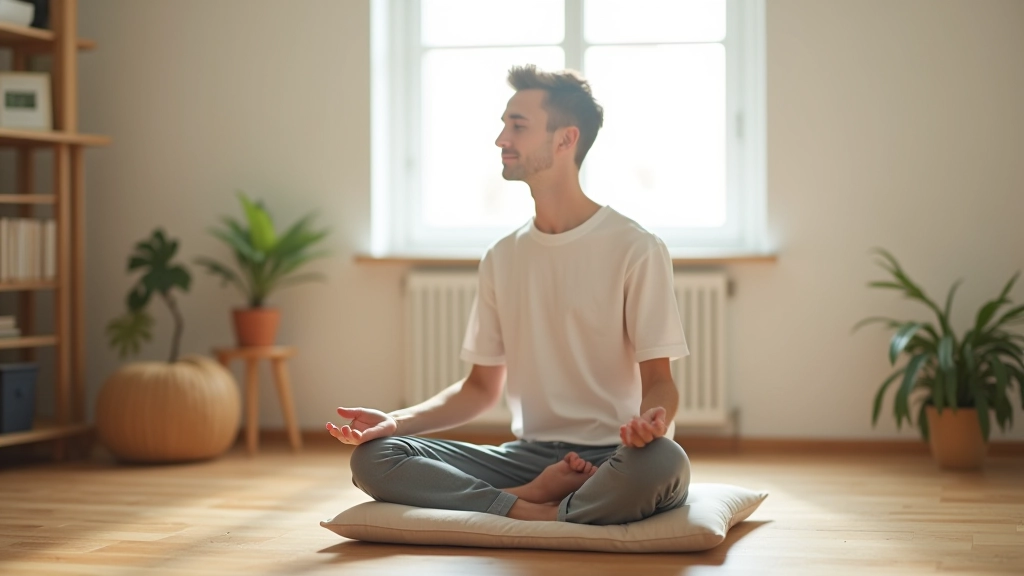
You don't have to sit in a pretzel shape. That's the biggest misconception about meditation. Your spine needs to be upright, but your body should be comfortable enough that you're not thinking about aches and pains for the next 10-20 minutes.
1
Sit on Something Firm
A meditation cushion (zafu), a chair, or even a folded blanket works. You're raising your hips slightly so your knees can relax naturally.
2
Keep Your Spine Straight
Imagine a string pulling the top of your head upward. Your shoulders relax down and back. This takes practice but prevents slouching that'll leave you sore.
3
Place Your Hands Comfortably
Rest them on your lap or knees, palms up or down — whatever feels natural. You're not trying to achieve a specific pose.
Can't sit on the floor? Use a chair. Can't meditate in the morning? Evening works fine. The point is finding what actually works for your body and schedule, not forcing yourself into an Instagram-perfect position.
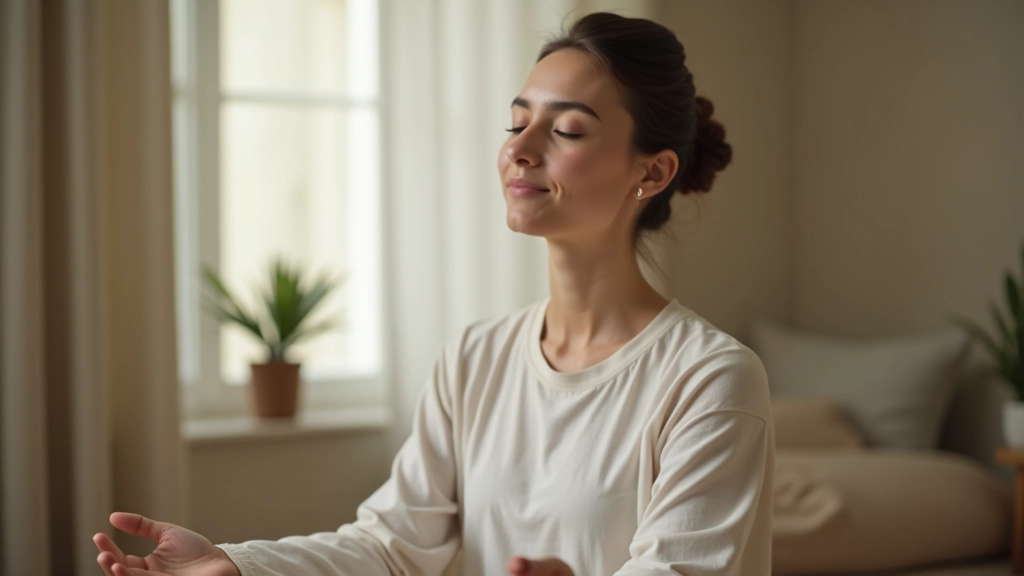
Breathing Techniques That Actually Work
Your breath is the anchor of meditation. It's always with you, always available, and it's something your mind can focus on instead of jumping around to your to-do list.
The Basic Technique: Natural Breathing
Don't force your breathing. You're not trying to breathe "correctly" — you're just observing how you naturally breathe. Notice the cool air coming in through your nostrils, the warmth as you exhale. Feel your belly or chest rise and fall.
4-4-4 Box Breathing (When You Need Calm)
If you're anxious before meditation, try this: Inhale for 4 counts, hold for 4 counts, exhale for 4 counts, hold for 4 counts. Repeat 5-10 times. It settles your nervous system fast.
Pro tip: Your mind will wander — that's not failure. When you notice it's wandered, gently bring attention back to your breath. That's the entire practice right there.
Building Focus Without Frustration
Your mind will wander. A lot. Especially at first. And that's completely normal — not a sign you're doing it wrong. Your brain's job is to think, so expecting it to be blank is like expecting your heart to stop beating.
The practice isn't "never having thoughts." The practice is noticing when your attention has drifted and bringing it back to your breath. That moment of noticing? That's the whole point. That's where the growth happens.
Common Distractions and How to Handle Them
Itches and Physical Discomfort
You can scratch that itch. Meditation isn't about suffering through discomfort. Just move mindfully and return to your breath.
Noise From Outside
Don't fight it. Notice the sound, acknowledge it without judgment, and let your attention drift back to breathing. The noise is part of the practice.
Racing Thoughts About Your Day
This is the most common one. When you catch yourself planning dinner or replaying a conversation, just gently return focus to breathing. You're not supposed to block thoughts — you're practicing redirecting attention.
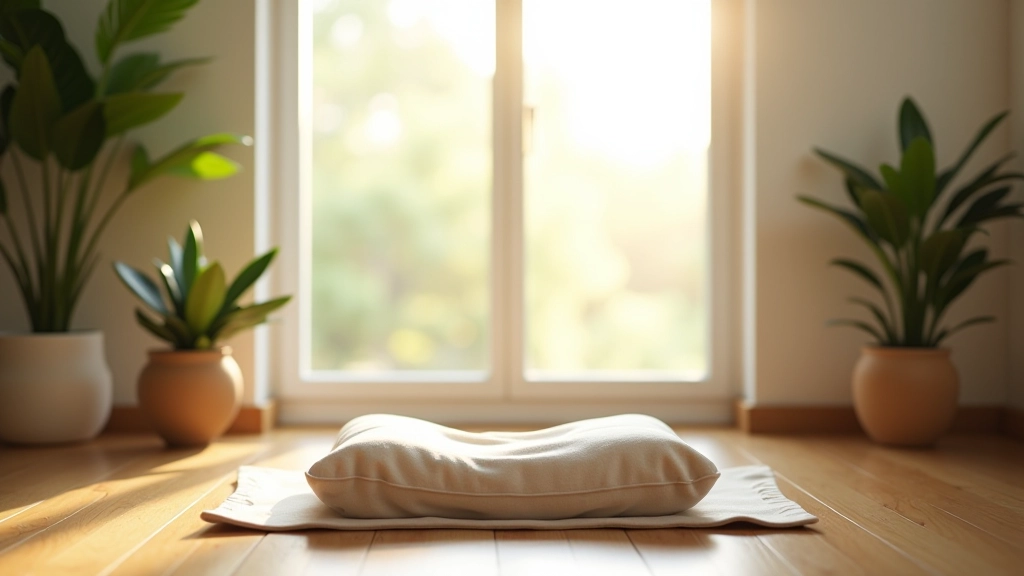
Building a Sustainable Practice
You don't need to meditate for an hour. In fact, consistency matters way more than duration. Ten minutes every single day beats an hour once a week.
Start Small
Begin with 5-10 minutes. You can always extend later. Most people quit because they try 30 minutes on day one and it feels impossible.
Pick a Time
Morning works for some, evening for others. The best time is whenever you'll actually do it. Attach it to something you already do — after coffee, before bed.
Create Space
You don't need a special room. A corner of your bedroom, a quiet spot on your balcony, even your kitchen works. Just somewhere you won't be interrupted.
Track It
Mark a calendar or use an app. Seeing a chain of successful days is surprisingly motivating, and you'll notice patterns in how you feel.
A Simple Timeline
Week 1-2
You're learning to sit still and follow your breath. Your mind will be very busy. That's expected.
Week 3-4
You'll start noticing you can stay focused for longer stretches. Some sessions feel easier than others — both are fine.
Month 2+
You're noticing real benefits outside meditation. You're calmer, more patient, sleeping better. You might naturally extend your sessions.
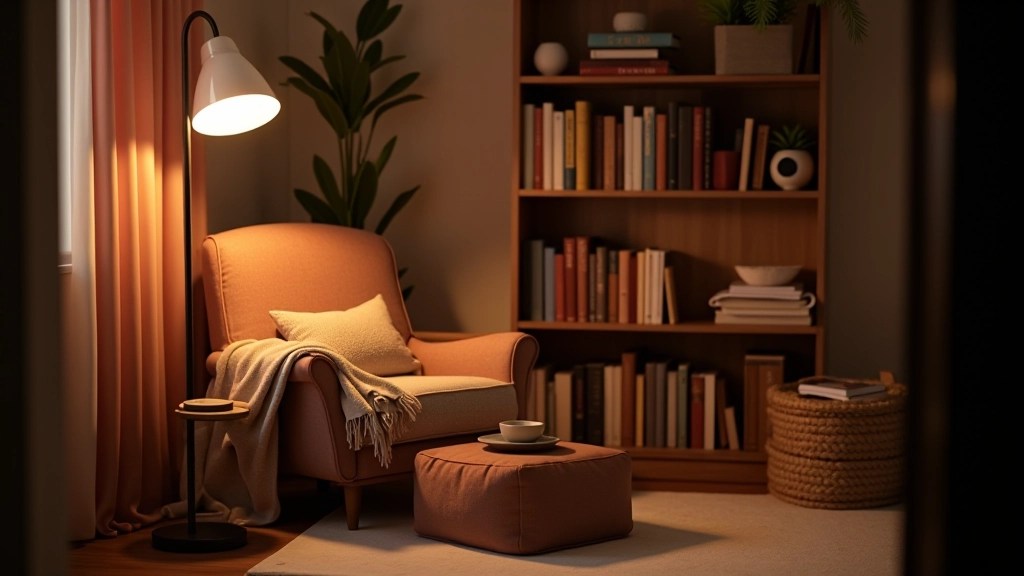
Setting Up Your Meditation Space
Your meditation space doesn't need to be elaborate. It just needs to be yours — a place where you can be undisturbed for 10-20 minutes. Here's what actually matters:
- Comfort matters: Whether you're sitting on a chair, cushion, or bench, make sure your back is supported and you won't be distracted by pain.
- Minimal distractions: Silence is nice, but not essential. A white noise machine can actually help mask random sounds.
- Good light: Natural light is ideal. If you meditate in the evening, soft lighting helps you relax.
- Temperature: Cool rooms are better for focus. If you're cold, you'll be distracted by shivering.
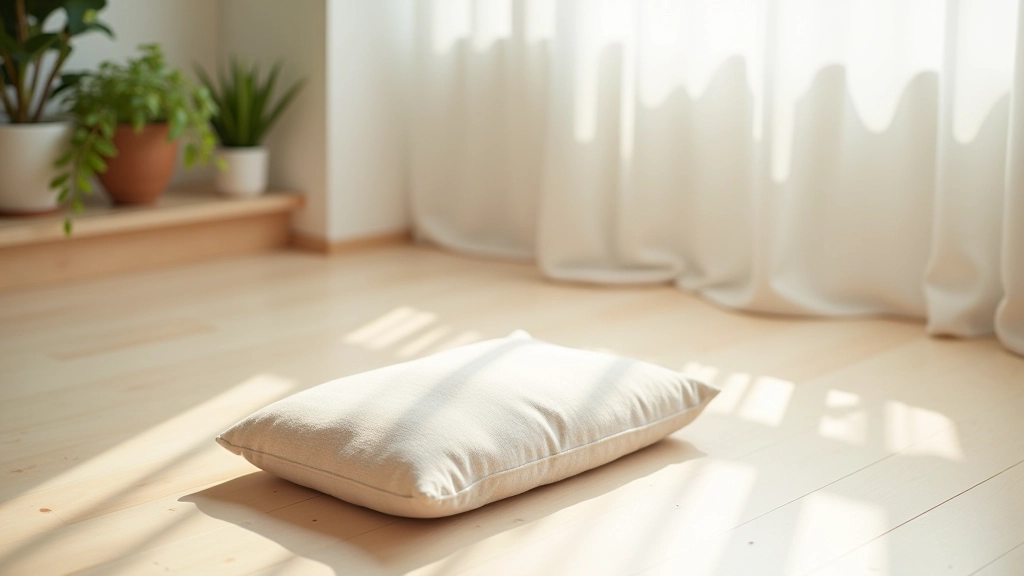
The Takeaway: You're Already Ready
You don't need special training, special clothes, or a special room to meditate. You don't need to empty your mind or achieve some blissful state. You just need to sit, breathe, and gently bring your attention back when it wanders.
The hardest part isn't the technique — it's showing up consistently. That first week will feel awkward. Your mind will be chaos. That's the exact experience everyone has. Stick with it for 3 weeks and you'll start feeling the difference. Your nervous system will calm down. You'll sleep better. You'll handle stress differently.
Start tomorrow morning or tonight. Five minutes. That's all you need.

Disclaimer
This article provides educational information about meditation practices and techniques. It's not medical advice, and it's not a substitute for professional mental health care. If you're experiencing anxiety, depression, trauma, or other mental health concerns, please consult with a qualified healthcare provider or therapist. Meditation can be a helpful complement to professional treatment, but it shouldn't replace it. Individual experiences with meditation vary — what works for one person might not work for another, and that's completely normal.